prohibufgx
"The Allure of Garlic: History, Health Benefits, and Culinary Uses Explored"
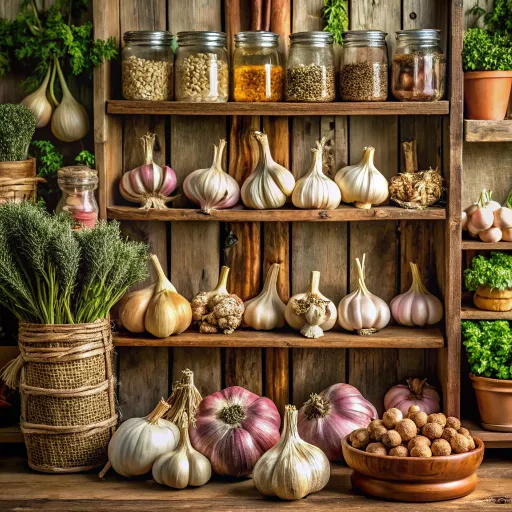
Garlic has been cherished in culinary traditions for centuries, adding a unique flavor to countless dishes. Often found in the cuisines of Asia, the Mediterranean, and South America, garlic's versatility makes it a staple in kitchens worldwide. The characteristic aroma and taste it imparts to food enhance the dining experience in ways that few other ingredients can match.
From sautés to marinades, garlic's presence in recipes is almost ubiquitous. Its robust flavor profile can elevate a simple dish to a gourmet delight. Beyond taste, chefs value garlic for its symbolic importance in culinary history. The Greeks and Romans used it in numerous recipes, associating it with strength and endurance. Even today, many renowned chefs consider garlic an indispensable component of their kitchens.
The adaptability of garlic extends beyond savory dishes. It finds its way into sweet concoctions, demonstrating its broader gastronomic potential. Furthermore, garlic has played an integral role in cultural traditions, often used in various regional ceremonies. Whether in a Michelin-star restaurant or a humble family kitchen, garlic's esteemed place in culinary history remains unchallenged.
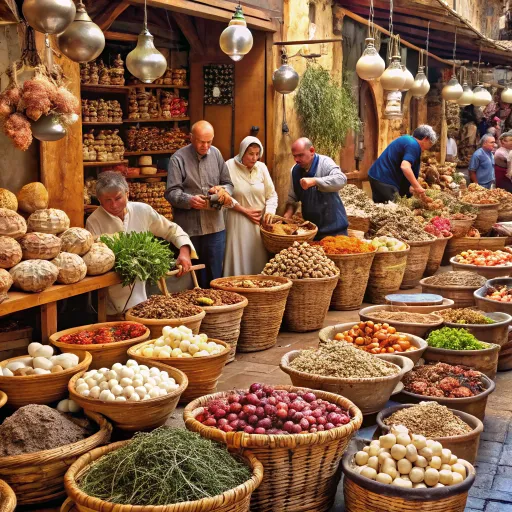
Garlic is revered not only for its culinary uses but also for the numerous health advantages it offers. It comes packed with compounds that contribute to overall wellness, earning it the reputation of a nutritional powerhouse. Incorporating garlic into meals regularly may lead to noticeable positive changes in general health.
Garlic's significance also lies in its ability to bolster well-being through regular consumption. Many people have found that making garlic a consistent part of their diet can be quite beneficial. Even small quantities can have a substantial impact, thanks to the numerous advantageous substances present in garlic.
For those looking to enhance their dietary plan by natural means, garlic stands out as an excellent choice. The potential benefits are numerous, establishing garlic as an essential component of a balanced diet. Ultimately, the decision to include garlic frequently may lead to a range of positive outcomes that enrich one's lifestyle.
Beyond the kitchen, garlic holds an important place in various cultures worldwide. Historical records indicate its use in ancient civilizations, showcasing its longstanding significance. Across different societies, garlic has been associated with practices that highlight its importance.
H3 – Cultural Practices Involving Garlic
Throughout history, garlic has been featured in rituals and customs, emphasizing its cultural value. From being regarded as a symbol of protection in some regions to its role in traditional ceremonies, garlic's influence goes beyond mere culinary application. This enduring significance is reflected in the various ways garlic has been utilized within different cultural contexts.
Garlic's presence in folklore further underlines its unique status across cultures. Such stories often highlight the bulb's esteemed qualities and link them to the values and beliefs of society. These rich traditions contribute to garlic's symbolic status, emphasizing its role as an important cultural artifact.
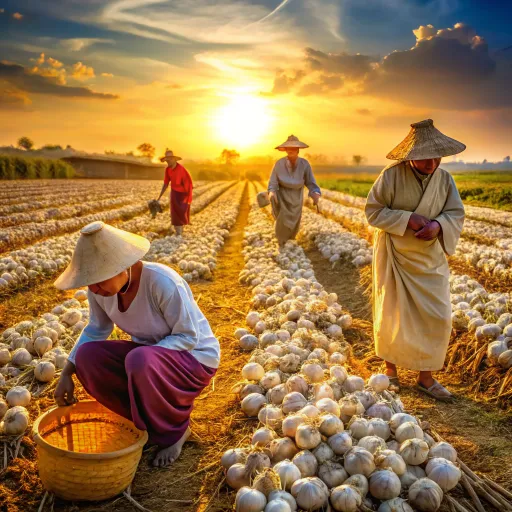
The world of garlic is diverse, with numerous varieties offering unique flavors and aromas. Each type has its own distinct characteristics, making it suitable for different culinary applications. From the mild sweetness of Elephant garlic to the potent punch of Rocambole, the variety available is fascinating.
H3 – A Quick Guide to Popular Garlic Varieties
- Softneck: Commonly found in supermarkets, mild in flavor.
- Hardneck: Robust taste, known for producing scapes.
- Elephant: Large bulbs with a sweeter, milder profile.
- Rocambole: Offers a strong, hot taste, preferred by garlic connoisseurs.
- Black Garlic: Fermented for a sweet, molasses-like flavor.
Understanding these varieties helps in selecting the right garlic for any dish. Each type provides distinct contributions to taste and aroma, making them remarkable in their own ways. Whether one prefers the boldness of Hardneck or the gentle sweetness of Elephant garlic, the diversity available ensures there's a type suited for every palate.